
The Nature of Luck in Gambling
Luck is often perceived as an unpredictable force that can swing the outcomes of games in a player’s favor or against them. Within the casino environment, luck is frequently romanticized, with tales of fortunate gamblers hitting jackpots or landing winning streaks, such as those who play at mr luck casino and experience their own thrilling moments. However, it’s important to understand that luck operates within the realm of probability. Each game has specific odds and statistical chances that dictate how likely a player is to win, making it essential to recognize that luck can be an unpredictable element but is not the sole determining factor in gambling success.
The role of luck varies across different types of casino games. In games of chance like slots and roulette, luck plays a more prominent role, as outcomes are entirely random, and players have no control over them. On the other hand, games that incorporate skill, such as poker or blackjack, require players to make strategic decisions. In these scenarios, while luck can influence short-term results, a player’s skill and decision-making can shape their long-term success. Understanding this nuanced relationship between luck and skill is crucial for anyone looking to navigate the casino effectively.
Additionally, the psychological aspect of luck cannot be overlooked. Many players ascribe personal significance to luck, leading to superstitions and rituals designed to attract favorable outcomes. For instance, some gamblers carry lucky charms or engage in specific routines before placing bets. While these practices may not alter the inherent probabilities of winning, they can impact a player’s mindset, potentially affecting their performance and enjoyment. Recognizing the interplay between psychological elements and the randomness of luck can provide insights into the overall gambling experience.
The Influence of Skill and Strategy
While luck undoubtedly has its place in casino success, skill and strategy are often the backbone of sustained performance. In games like poker, the ability to read opponents, understand betting patterns, and manage one’s bankroll can significantly enhance a player’s chances of winning. This strategic approach emphasizes the importance of knowledge and practice over mere reliance on luck. In this way, players can gain a competitive edge, turning luck into a lesser influential factor in their overall success.
Furthermore, opportunities for skill development exist across the casino landscape. Many establishments offer tutorials and practice games that allow players to hone their skills without risking real money. This not only equips players with better strategies but also builds confidence in their abilities. By investing time in understanding the nuances of the games they choose to play, individuals can shift the balance away from luck and toward skill, resulting in a more rewarding experience.
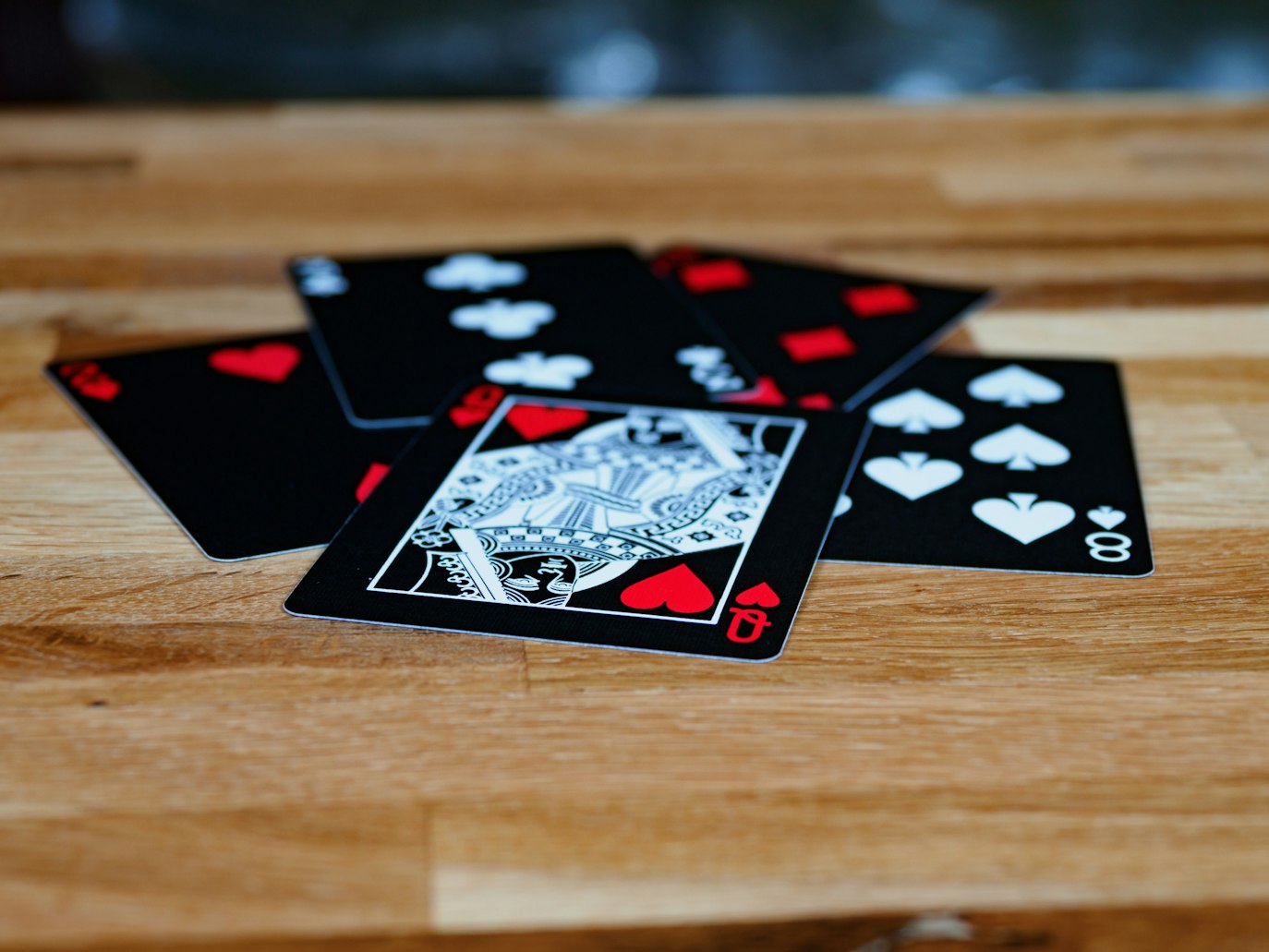
The marriage of luck and strategy is particularly evident in tournament settings. In competitive environments, players must combine their skills with a bit of luck to outperform opponents. A well-timed bluff in poker can lead to a significant win, but that success is contingent on reading the game correctly and being fortunate enough to have the right cards. In these contexts, the interplay of luck and strategic thinking underlines that while luck can give a player a moment of success, skill is often what keeps them at the table in the long run.
The Role of Casino Design and Environment
The design and ambiance of a casino greatly influence players’ experiences and perceptions of luck. Casinos are meticulously designed to evoke a sense of excitement and possibility, often using bright lights, engaging sounds, and inviting layouts to create an atmosphere that encourages gambling. This sensory overload can enhance players’ belief in luck, making them more likely to engage in risky behaviors. Research suggests that such environments can affect decision-making, prompting players to bet more than they normally would when they feel optimistic about their chances.
Additionally, the layout of a casino can impact how players perceive their odds. For instance, placing high-paying machines in visible areas can create an illusion of increased luck, drawing players in and encouraging them to try their hand. The proximity of various games can also influence a player’s choice, as social interactions with other gamblers may enhance the feeling of luck, particularly in group gaming scenarios. By understanding these environmental cues, players can cultivate mindfulness about their emotions and the decisions they make while gambling.
Ultimately, the casino environment fosters an intricate dance between luck and psychology. Players can feel lucky simply by being in a vibrant, energetic atmosphere, potentially heightening their willingness to gamble. However, awareness of these influences can empower players to make more informed choices and ideally balance their reliance on luck with strategic gameplay, creating a healthier and more enjoyable gambling experience.
Managing Expectations and Outcomes
One of the most important aspects of gambling at a casino is managing expectations regarding luck and winning outcomes. Many players enter casinos with the anticipation of winning big, which can lead to poor decision-making and emotional distress when luck doesn’t favor them. Recognizing that luck is inherently unpredictable can help set more realistic expectations. Players should understand that while they may have winning sessions, they may also experience losses, and that these fluctuations are part of the overall gambling journey.
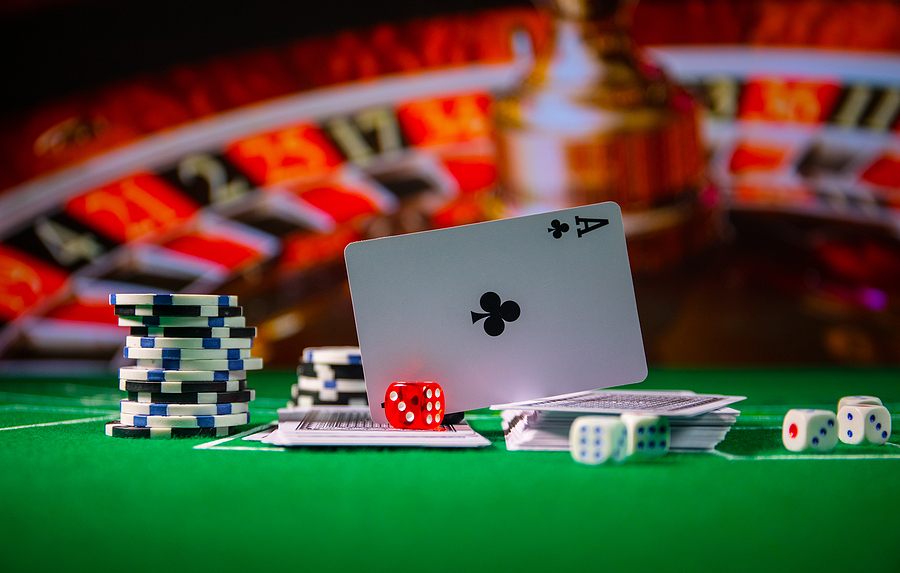
Moreover, establishing a bankroll and adhering to it is crucial for managing expectations. By setting limits on how much to spend and accepting that losses are a possibility, players can find enjoyment in the experience without an overwhelming reliance on luck. This disciplined approach encourages a more sustainable gambling habit, focusing on entertainment rather than solely on winning outcomes. The idea is to play with the understanding that while luck can play a role, the primary goal should be the enjoyment of the game itself.
Finally, seeking emotional balance during gambling sessions can also mitigate the stress often associated with luck. Players should cultivate a healthy perspective on both wins and losses, learning to appreciate the process rather than becoming overly fixated on the outcome. By fostering a mindset that values enjoyment and responsible gaming, individuals can navigate the casino environment with greater ease and resilience, ultimately resulting in a more rewarding experience that transcends mere luck.
Exploring More about Gambling Culture
For those interested in delving deeper into the nuances of gambling culture, it’s essential to explore various resources that discuss both the psychological and statistical aspects of casino games. Many platforms provide insights into strategies, personal experiences, and expert advice, helping players better understand the marriage of luck and skill. Engaging with this knowledge can empower individuals to make informed choices, enhancing their experience whether they are casual players or serious gamblers.
Additionally, communities around gambling often share stories and strategies that can demystify the impact of luck in casinos. By participating in forums or attending workshops, players can gain diverse perspectives that augment their understanding of the gambling landscape. This social aspect can also foster camaraderie and support among players, reinforcing that while individual luck varies, shared experiences can make the casino journey enjoyable.
Ultimately, exploring the broader context of gambling culture can illuminate the intricate dynamics between luck, skill, and player psychology. By recognizing the multifaceted nature of gambling, players can navigate their experiences with a more holistic view, enhancing their overall enjoyment and success at the casino.

